
If RAG is looking things up in a library, Cache-Augmented Generation is reading the book once and keeping it open on the desk. You load a body of knowledge into the model’s context ahead of time, let the system precompute and store its internal state for that context, and reuse it on every question. No search step, no retrieval errors, and a lot less latency.
The idea became practical because context windows grew large and inference engines learned to reuse the precomputed cache. It works best when the knowledge is small enough to fit and stable enough to stay correct. The trade is plain: you give up freshness and scale in exchange for speed and simplicity.
For e-commerce, that points to a clear target: the slow-moving core that nearly every conversation touches. Think of the brand’s tone and rules, the standing return and shipping policy, size guides, the category taxonomy and the top few hundred FAQs. This is the material that, in a pure RAG design, gets retrieved again and again for no good reason.
The proposed shape
Build a preloaded base layer. At deploy time, assemble the stable knowledge pack, load it, and cache it. Every customer-facing agent starts from that warm cache, so the first token arrives faster and the answers stay consistent in voice and policy.
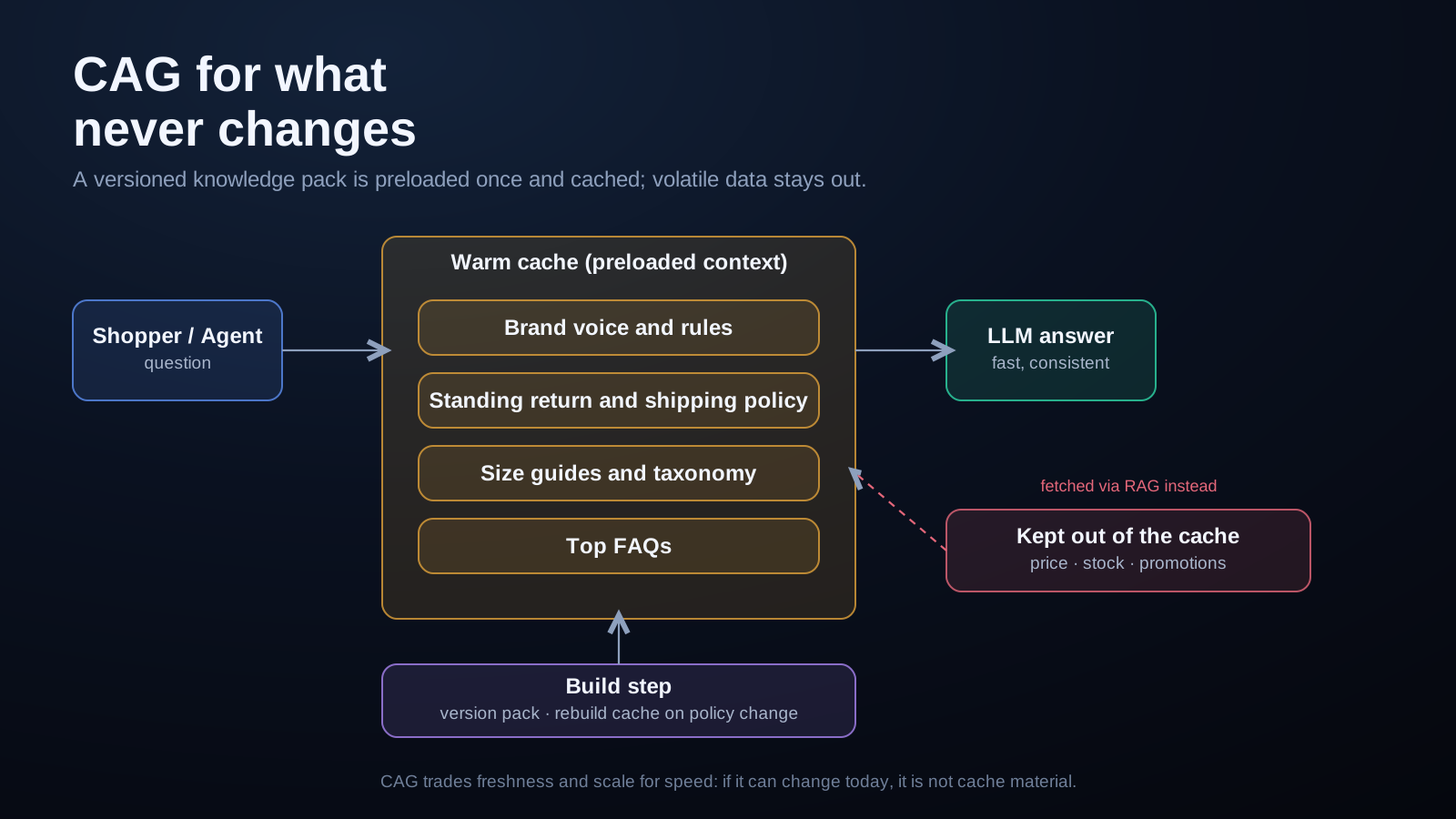
Then pair it with the retrieval gateway from the RAG post: CAG carries what never changes, RAG fetches what does. Prices, stock and this week’s promotion never enter the cache.
Rules that keep it honest
Version the pack and rebuild the cache whenever policy changes, because a stale cache is a confident wrong answer. Watch the size, since long contexts cost money and can dilute attention. And keep a hard boundary: if it can change within the day, it is not CAG material.
Done well, this also cuts the bill, which echoes the point in semantic caching: the cheapest token is the one you never recompute.